How to make a cheese board: amounts, cheeses, order
For a cheese board, allow 80 to 100 g (about 3 to 3½ oz) of cheese per person as a course after dinner, 150 g (about 5 oz) with drinks, and 250 to 300 g (about 9 to 10½ oz) if the board replaces dinner. Choose three, five or seven cheeses from different families, with at least one goat's or sheep's cheese among them. Eat them from mild to strong: fresh cheese first, blue cheese last.
Build your board
Pick an occasion and a theme, and a suggestion appears on the plate. You can swap any cheese.
People
Theme
Suggestion
Tap a piece to swap it.
Classic
Drinks · 5 cheeses · 900 g for 6 people
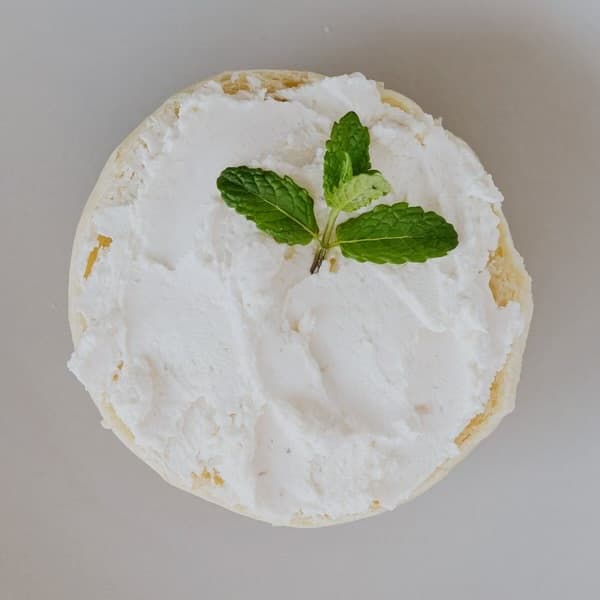
- Fresh cheeseFresh · Mild · e.g. goat's curd, ricotta190 g
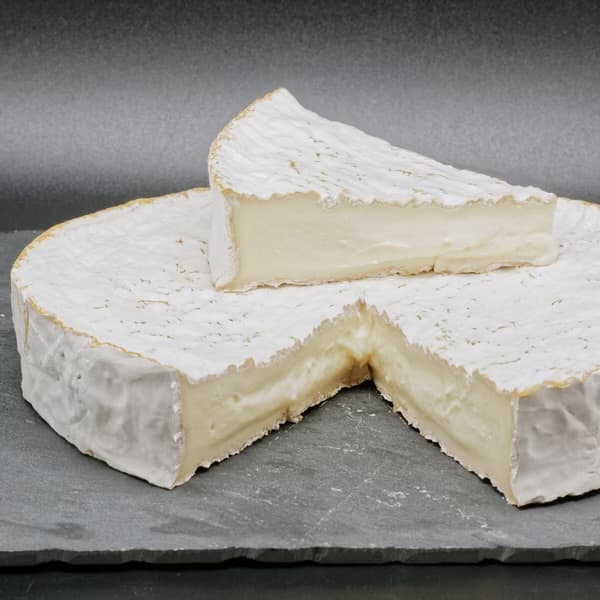
- Bloomy rindSoft · Gently savoury · e.g. Brie, Camembert, Tunworth190 g
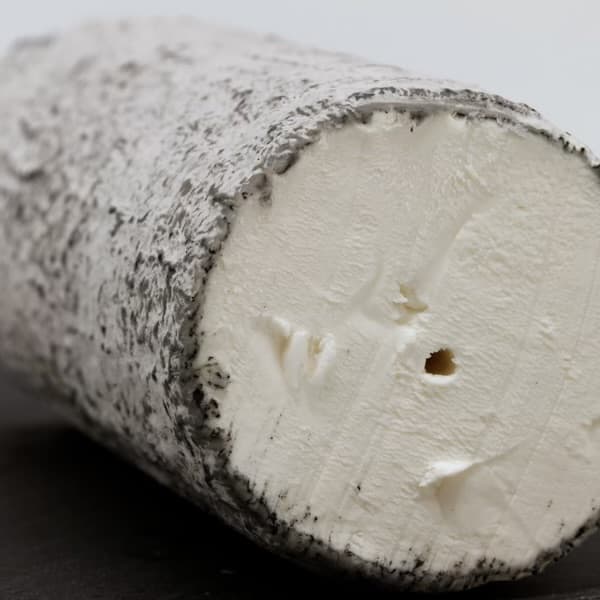
- Goat's cheeseSoft · Aromatic · e.g. Crottin, Ragstone190 g
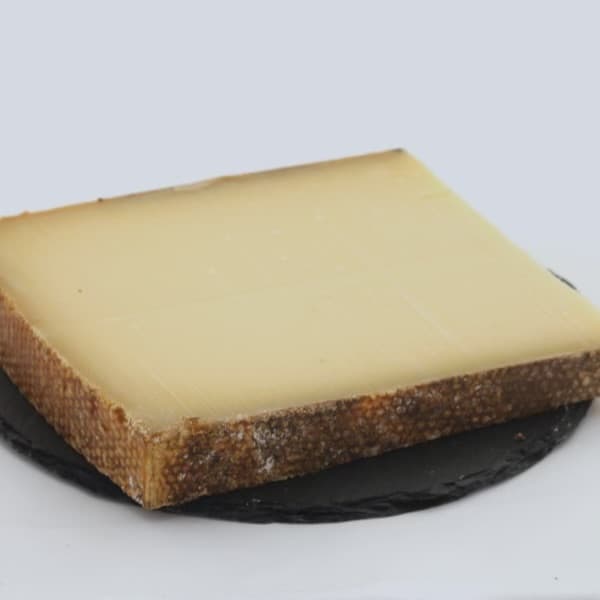
- AlpineHard · Aromatic · e.g. Comté, Gruyère190 g
- BlueSemi-soft · Intense · e.g. Stilton, Roquefort, Gorgonzola140 g
How much cheese per person?
The amount depends on the occasion. As a course after dinner, 80 to 100 g per person is enough; with drinks, allow 150 g; and if the board replaces dinner, 250 to 300 g. Strong cheeses such as blues get the smaller share: Delikaasy gives them three quarters of what a milder cheese gets.
| Occasion | per person | Cheeses |
|---|---|---|
| Cheese course after dinner | 80–100 g | 3–5 |
| With drinks, as a snack | 150 g | 5–7 |
| Instead of dinner | 250–300 g | 7 at most |
| People | Cheese course | Drinks | Dinner |
|---|---|---|---|
| 2 | 200 g | 300 g | 550 g |
| 4 | 400 g | 600 g | 1.1 kg |
| 6 | 600 g | 900 g | 1.65 kg |
| 8 | 800 g | 1.2 kg | 2.2 kg |
| 10 | 1 kg | 1.5 kg | 2.75 kg |
| 12 | 1.2 kg | 1.8 kg | 3.3 kg |
Which cheeses go on a cheese board?
A cheese board mixes families: something fresh or soft, a goat's or sheep's cheese, a pressed or hard cheese and usually a blue to finish. An odd number is customary, so three, five or seven cheeses. Even a board that replaces dinner stops at seven.
The builder works with eight categories. Their strength describes the category as a whole, and single cheeses vary: an aged Gouda is stronger than a young Comté.
| Category | Type | Strength | Examples |
|---|---|---|---|
| Fresh cheese | Fresh | Mild | goat's curd, ricotta |
| Bloomy rind | Soft | Gently savoury | Brie, Camembert, Tunworth |
| Semi-hard | Semi-hard | Gently savoury | young Gouda, Lancashire |
| Goat's cheese | Soft | Aromatic | Crottin, Ragstone |
| Sheep's cheese | Semi-hard | Aromatic | Manchego, Berkswell |
| Alpine | Hard | Aromatic | Comté, Gruyère |
| Washed rind | Soft | Strong | Taleggio, Stinking Bishop |
| Blue | Semi-soft | Intense | Stilton, Roquefort, Gorgonzola |
In what order do you eat cheese?
Cheese is eaten from mild to strong, so fresh cheese first and blue cheese last. On the plate the order runs clockwise, starting at 12 o'clock. What “strong” means is described by intensity, one of the nine taste dimensions. When in doubt, go from pale to dark.
Themed cheese board ideas
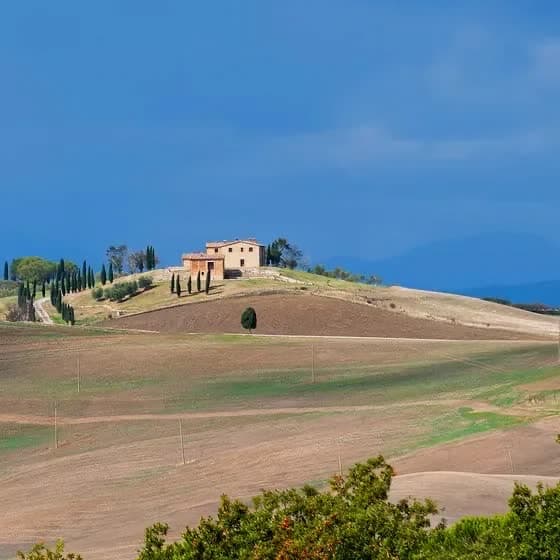
A theme gives the board a title and gives its cheeses something in common. In “A Field Guide to Cheese”, Sicard groups boards by milk (only goat, only sheep, or goat, cow and sheep side by side), by place (Alpine cheeses or a single country), by protected origin (only PDO cheeses) and by style, such as only blues. If the theme is a drink, each cheese gets its own matching drink.
What goes with a cheese board?
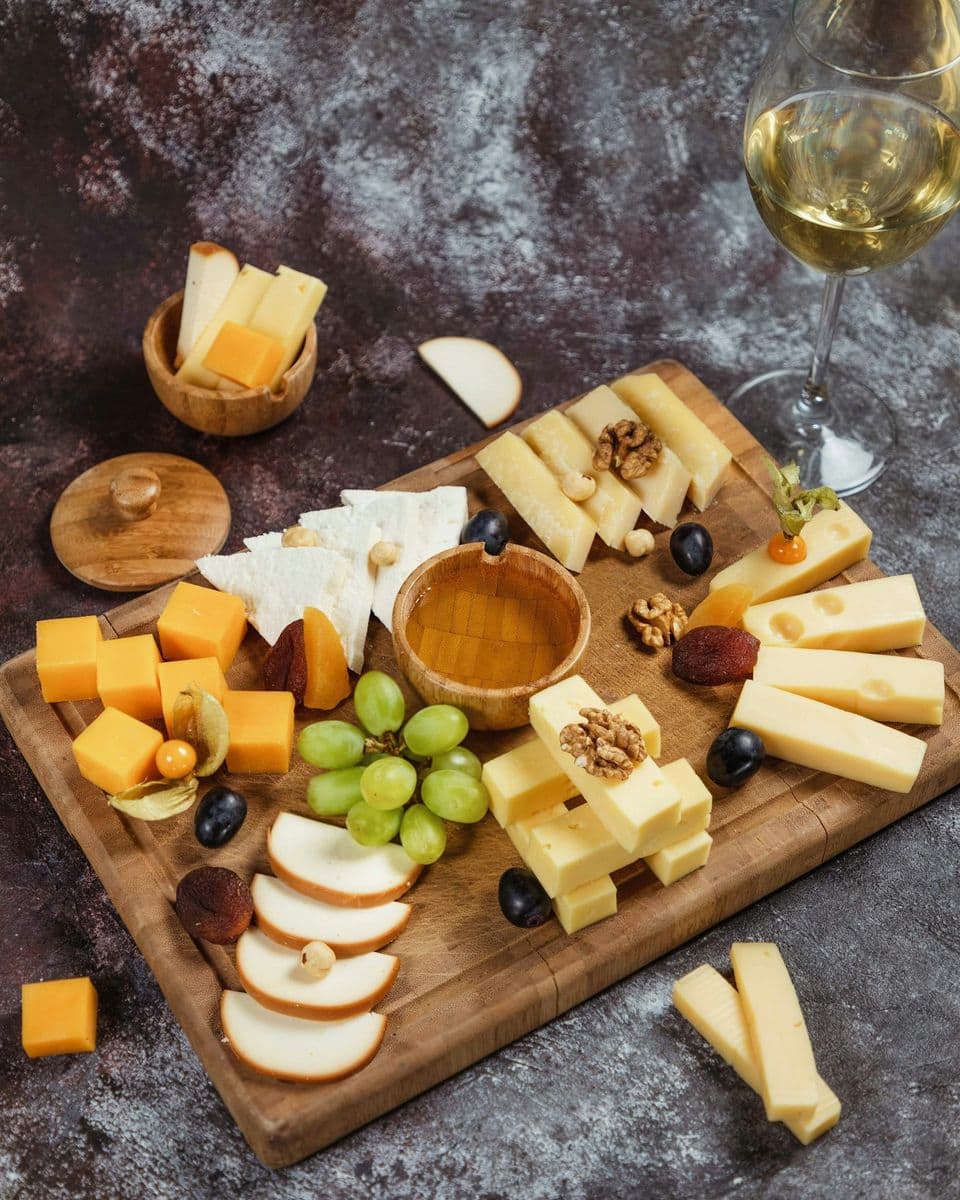
Apples, dried fruit and toasted walnuts go with almost everything, grapes and celery with blue cheese and strong hard cheese. For bread, baguette suits soft cheese, walnut bread suits Comté or Beaufort, and fruit bread suits blue cheese. Keep jam or honey to a small spoonful, or they drown out the cheese.
How do you arrange a cheese board?
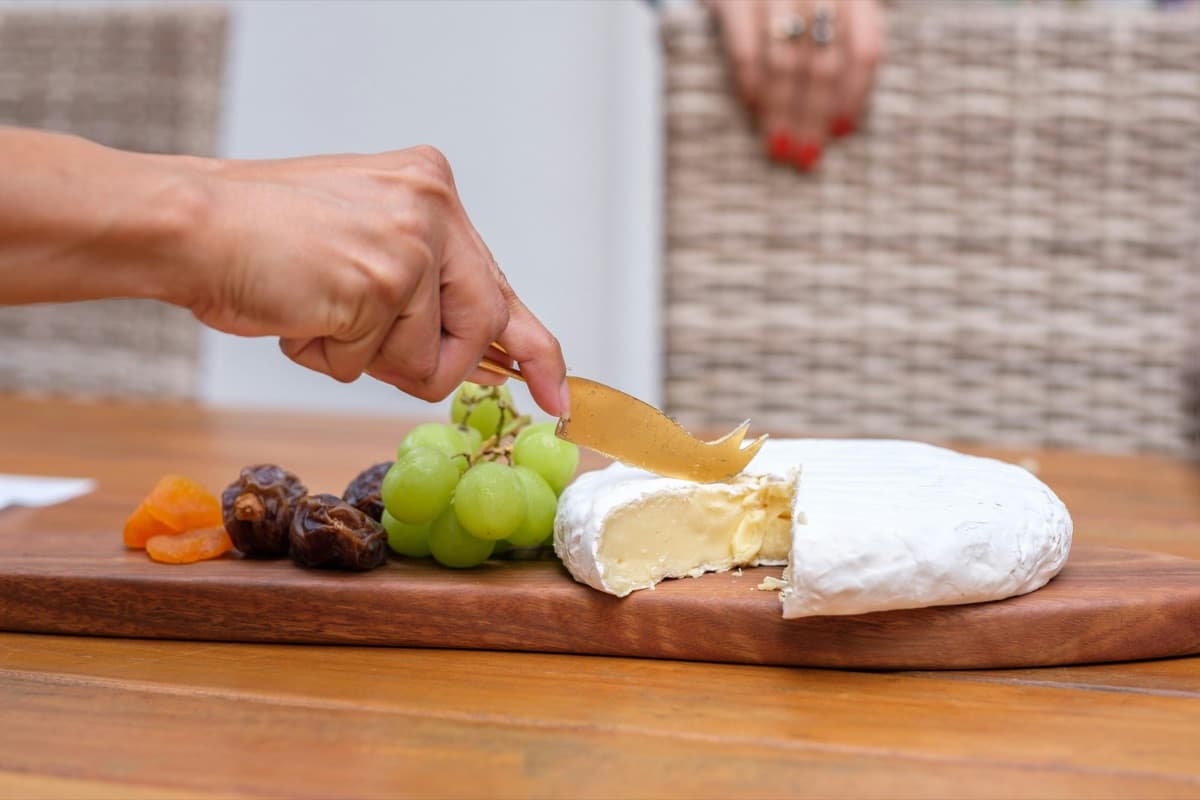
Take the cheese out of the fridge at least an hour before serving. Use a board of wood, slate or ceramic; plastic and metal leave an off taste. Cut one or two pieces of each cheese in advance so guests can see how it is cut. Every guest should get a piece with rind and one from the centre. Put a plane next to hard cheeses and a spoon next to very creamy ones.
How do you store cheese board leftovers?
Wrap leftovers in their original paper and keep them in the vegetable drawer. An airtight box is no good, because cheese needs to breathe.
Image credits
Category images in the board builder
- Fresh cheese: Kaboompics, Pexels License, Pexels, modified
- Bloomy rind: “Wikicheese - Brie de Melun - 20150515 - 015”, Thesupermat, CC BY-SA 4.0, Wikimedia Commons, modified
- Semi-hard: “Tilsiter corsé2”, Guy Waterval, CC BY-SA 4.0, Wikimedia Commons, modified
- Goat's cheese: “Sainte-Maure de touraine 04”, Coyau / Wikimedia Commons, CC BY-SA 3.0, Wikimedia Commons, modified
- Sheep's cheese: “Flickr - cyclonebill - Manchego”, cyclonebill, CC BY-SA 2.0, Wikimedia Commons, modified
- Alpine: “Gruyère 12 mois3”, Guy Waterval, CC BY-SA 4.0, Wikimedia Commons, modified
- Washed rind: “Cowgirl Creamery Point Reyes - Red Hawk cheese”, Frank Schulenburg, CC BY-SA 4.0, Wikimedia Commons, modified
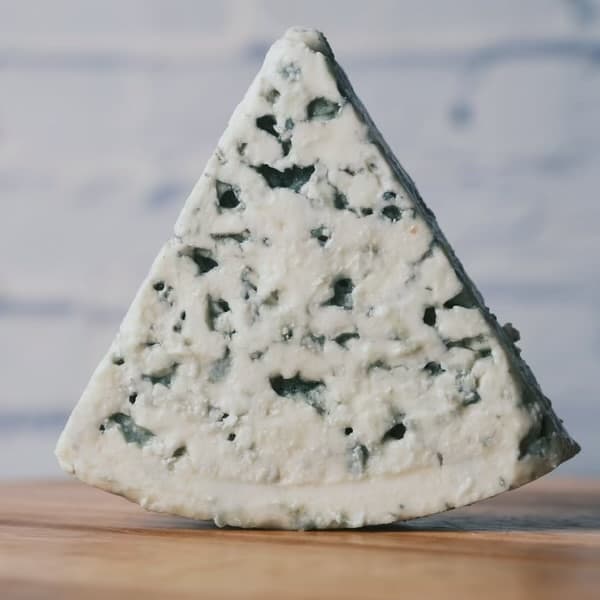
- Blue: Towfiqu barbhuiya, Unsplash License, Unsplash, modified
Swap card backgrounds, each from the home region of the example cheeses
- Fresh cheese, Lazio: “Cattle in the Sabina Hills, Latium, Italy”, Christoph Strässler, CC BY-SA 2.0, Wikimedia Commons, modified
- Bloomy rind, Île-de-France: “Prairie et forêt parc Champs sur Marne”, Jebulon, CC0, Wikimedia Commons, modified
- Semi-hard, South Holland: “Koeien in de wei - Fotograaf Kees Hummel”, CommMiddenDelfland, CC BY-SA 4.0, Wikimedia Commons, modified
- Goat's cheese, Centre-Val de Loire: “Boischaut Sud - Reigny (18) - Prairie”, Touriste, Public domain, Wikimedia Commons, modified
- Sheep's cheese, Castilla–La Mancha: “Alcaudete de la Jara (2023) 04”, LBM1948, CC BY-SA 4.0, Wikimedia Commons, modified
- Alpine, Vaud: “Premier Vaud Panorama 2”, René Hourdry, CC BY-SA 4.0, Wikimedia Commons, modified
- Washed rind, Lombardy: “Pascolo all'Alpe Legnone”, Giovannibad, CC BY-SA 4.0, Wikimedia Commons, modified
- Blue, Piedmont: “9 alpe Devero, il Grande Est”, Cristinadavid66, CC BY-SA 4.0, Wikimedia Commons, modified
Photos in the text
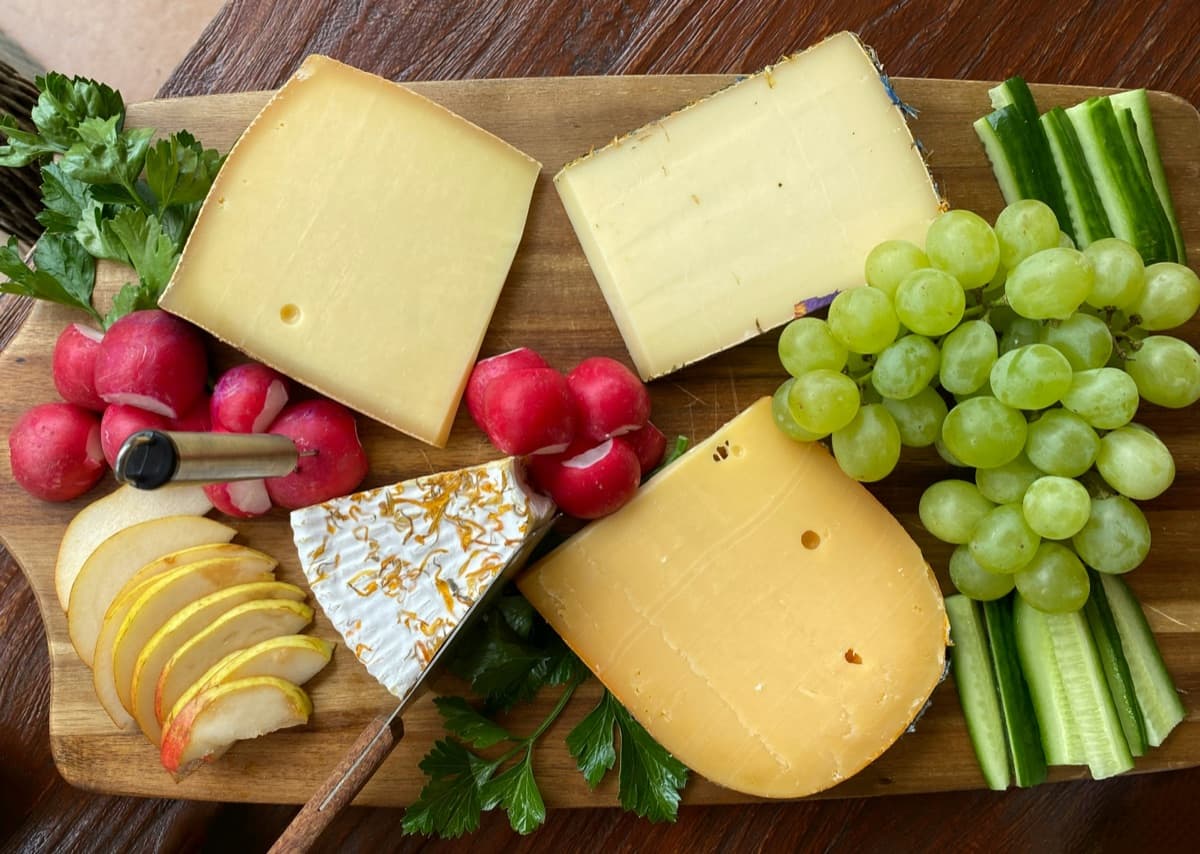
- Cheese board from above: Mike Houser, Unsplash License, Unsplash
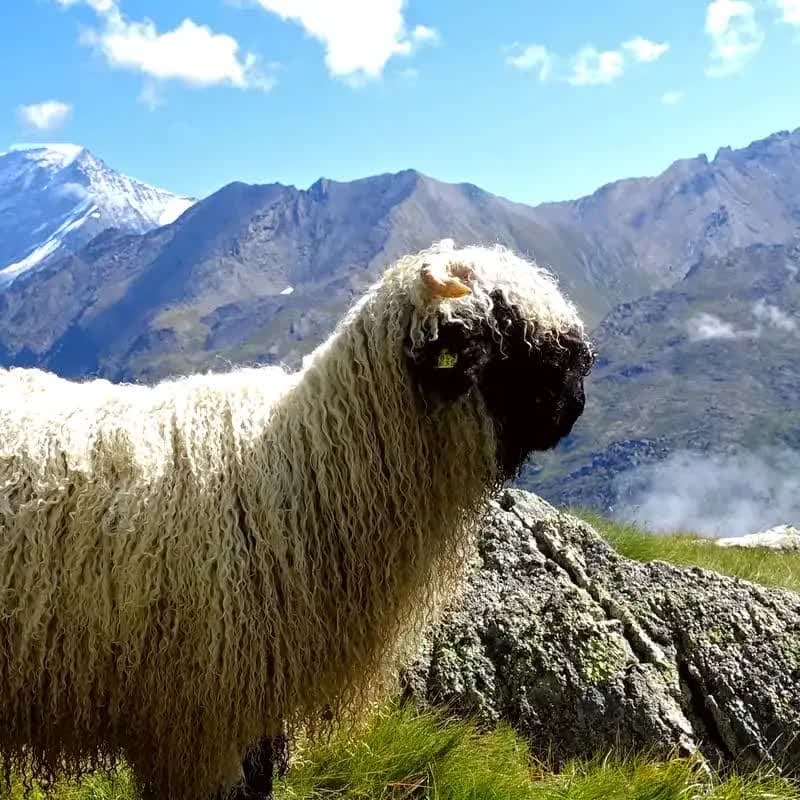
- Valais Blacknose sheep near Zermatt: “Valais Blacknose sheep 2”, Tiia Monto, CC BY-SA 3.0, Wikimedia Commons, modified
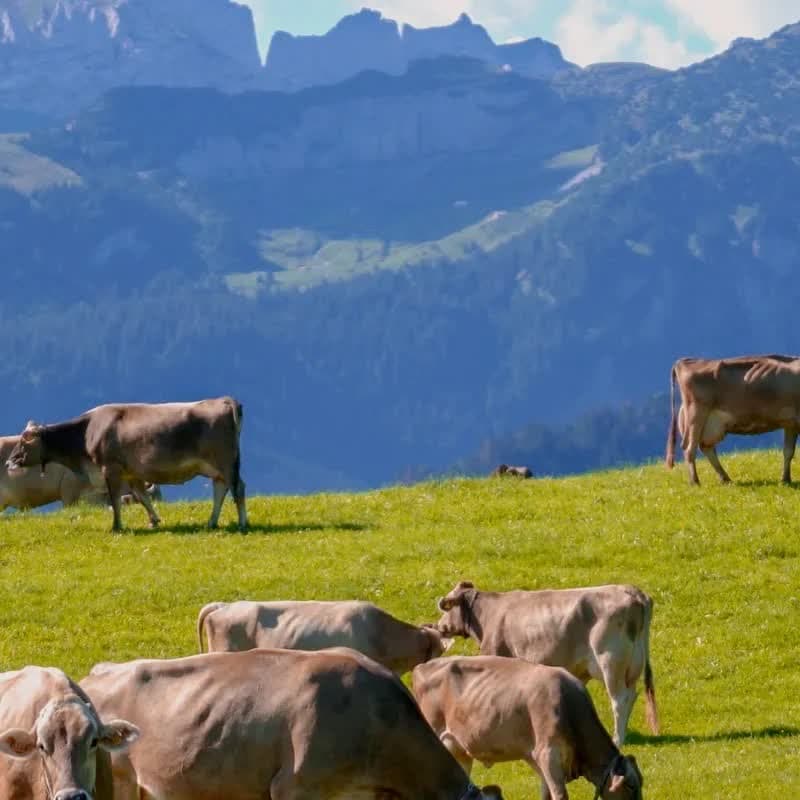
- Cows below the Ebenalp in Appenzell: “002 Vaches Ebenalp Photo by Giles Laurent”, Giles Laurent, CC BY-SA 4.0, Wikimedia Commons, modified
- A hill in the Val d’Orcia, Tuscany: “A hill in Val d'Orcia (52603155363)”, kuhnmi, CC BY 2.0, Wikimedia Commons, modified
- Cheese board with honey: Farhad Ibrahimzade, Unsplash License, Unsplash
- Cutting into a soft cheese: Alyona Yankovska, Unsplash License, Unsplash
Last updated: